
LIGHTS OUT
A common thread across many species is that we have adapted our lives to the cycles of night and day, whether we know it consciously or not. Humans have 24-hour cycles called circadian rhythms, essentially our solar biological clock that governs our bodily processes such as our metabolism, appetite and sleep. Other species use the cues of night and day to determine their behavior. All About Birds states that “Birds can get compass information from the sun, the stars, and by sensing the earth’s magnetic field. They also get information from the position of the setting sun and from landmarks seen during the day.“ Seasonal shifts and changes in length of day herald the start of the North American bird migration. During this massive pilgrimage, raptors fly during the day to utilize thermals and updrafts to travel long distances without flapping their wings. Songbirds will travel at night to avoid predation and to conserve energy flying in the cooler night temperatures. Using dusk and dawn as their cues, birds fly long distances at night utilizing the stars and the moon (and the sun—not at night) to dictate their timing and direction. With humans increasingly dominating the landscape, the ability for birds and other animals to decipher artificial light from daylight is difficult. Artificial light protrudes into the night skyscape and has changed the night sky drastically. These blinding lights can lure in birds and lead to confusion, exhaustion and sometimes death from colliding with windows.
Light pollution occurs over the majority of the world, and true dark skies are becoming less common. The most drastic change we have made as humans may be our impact on the night sky. There is a way to prevent unnecessary avian stress and death by turning out lights at night. Any outdoor lighting, flood lights or bright indoor lighting should be extinguished to allow birds to navigate the night sky safely.
Twice a year, we bear witness to the great North American bird migration. Birds take to the skies at dusk towards their new seasonal destination whether it is south in the winter or north in the summer. These migration times, April and May for spring migration and August through October for fall migration, are crucial times to be aware of our lighting usage. These journeys put them at great risk of being thrown off course by light pollution. Dark Sky International states that “Every year millions of birds die colliding with needlessly illuminated buildings and towers. Migratory birds depend on cues from properly timed seasonal schedules. Artificial lights can cause them to migrate too early or too late and miss ideal climate conditions for nesting, foraging, and other behaviors.” It is important that we become aware of and alter our lighting usage to assure their safety during migration and year round. Improving the quality of the night sky benefits birds, wildlife and humans alike.
Light pollution negatively impacts our health and the health of wildlife. Dark Sky International states that “While more research is needed to understand how typical outdoor lighting plays a role, studies have found associations between higher levels of nighttime light and suppressed melatonin, shifted sleep–wake cycles, and even altered gene activity.” Many species are impacted by light pollution. From a sustainability standpoint, an increase in light usage means more energy used which is taxing on the environment for resources and on our lighting bill. Reducing unnecessary lighting and upgrading to more efficient lights can lower energy usage and provide appropriate lighting that is used when needed. A lot of outdoor lights indiscriminately light the night in ways that are not needed.
There are initiatives popping up in cities all over North America for “Lights Out,” an effort to reduce light pollution and make the night sky dark again. This nationwide program is an effort to connect local organizations and citizens with business owners and tenants alike to turn out their lights in an effort to help protect wildlife. Despite the brighter glow emitted by big cities, small buildings and residences make up half of bird collisions. Efforts to reduce light pollution are significant on all levels from the home to our towns and cities. In some counties in Colorado like Pitkin County, there have been changes to lighting codes that allow for code enforcement to set a standard and expectation for outdoor lighting that is enforceable. The county declared nighttime hours from 10:00 P.M. to 7:00 A.M. a time when light trespass is not allowed. According to an Aspen Times article, “The code also instituted a set window permitting ‘seasonal’ lighting from November 15 to January 31 for residential areas and from November 15 to March 1 in commercial zones.” This effort will help lessen the impact of light pollution on birds during migration times which is crucial to their continued survival.
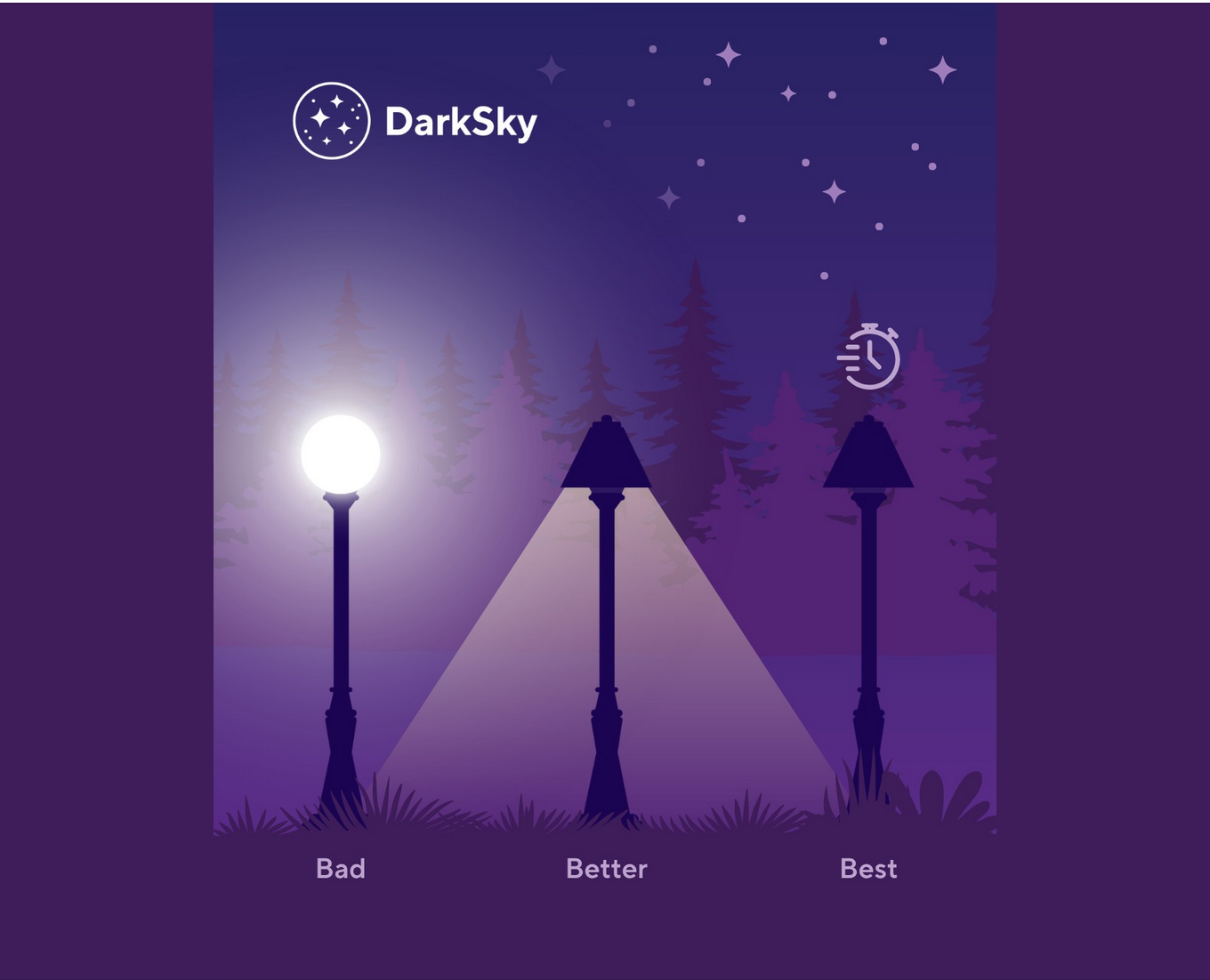
There is a way to prevent unnecessary avian stress and death by turning off lights at night. Any outdoor lighting, flood lights or bright indoor lighting should be extinguished to allow the birds to navigate the night sky safely. Bird Conservancy of the Rockies states that “It is estimated that ~70% of North American birds are migratory and that ~80% of those migrate at night. “Dark Sky recommends that only warm-appearing light sources be used for outdoor lighting. This includes low-pressure sodium (LPS), high-pressure sodium (HPS), and low-CCT LEDs. LED lights can help reduce energy usage, but only warm-colored bulbs should be used.“ It goes on to say that “Outdoor lighting fixtures that shield the light source to minimize glare and light trespass help prevent light pollution.” Dimmers, timers and motion sensors can help use light mindfully and reduce unnecessary illumination. For examples of acceptable lighting choices, visit Dark Sky International for more information.
It is vital that we protect the night to give birds a safe route to breed and feed and reverse the trend of bird mortality before it is too late. Humans have become a strong force of change in our environment. It is time to make positive changes that benefit humans and wildlife.